
How the small business can build an authentic brand.
Most small businesses don’t struggle because they lack ideas, creativity, or effort. They struggle because they’re trying to build their brand from the outside in — starting with marketing instead of clarity.
An authentic brand isn’t something you manufacture through clever messaging or consistent posting. It’s something you uncover by understanding what makes your business distinct, meaningful, and worth returning to.
The Thoughtful Brand Co. helps small businesses build authentic brands by starting with strategy before marketing. This article explains what that actually means — and how to approach brand-building in a way that feels grounded, human, and sustainable.
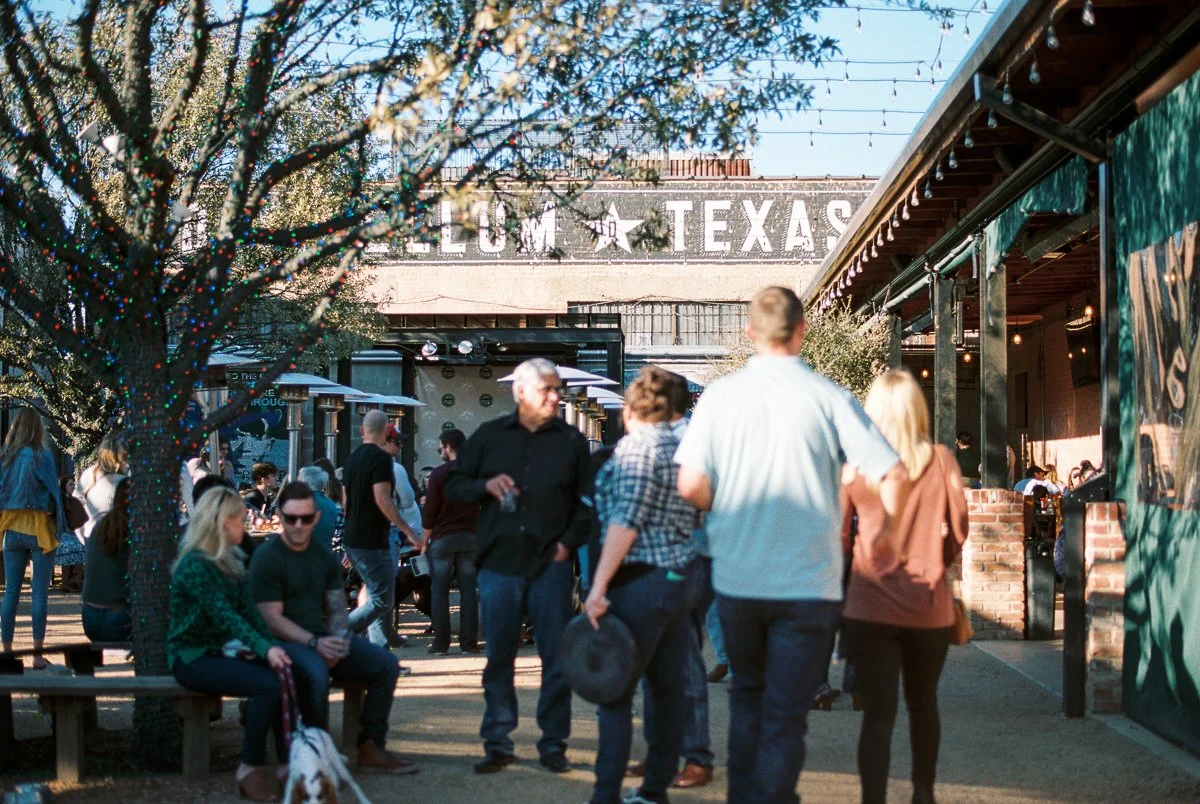
DALLAS, TX
What “Authentic Branding” Actually Means for Small Businesses
Authenticity in branding is often described as “being yourself.” That advice sounds nice, but it’s rarely actionable.
For small businesses, authenticity is less about self-expression and more about alignment.
An authentic brand is one where:
Your decisions make sense together
Your values show up in how you operate, not just what you say
Your customers understand what you offer and why it matters
Your marketing feels like an invitation, not a performance
In other words, authenticity is clarity made visible.
Why Marketing-First Branding Often Fails
Many small business owners start with marketing because that’s where the pressure is. What to post. How to sell. How to stand out.
But without a clear foundation, marketing becomes:
Exhausting to maintain
Inconsistent in tone and message
Reactive instead of intentional
Emotionally draining
When every post feels like a guess, it’s usually not a motivation problem — it’s a strategy problem.
Marketing amplifies what already exists. If the underlying thinking is unclear, marketing just magnifies the confusion.
The Order That Makes Branding Work
Building an authentic brand works best when it happens in a specific order:
1. Strategy: Decide What You’re Really Building
Strategy isn’t a business plan or a growth forecast. For small businesses, strategy is about defining:
What kind of business you’re running (and why)
Who it’s for — and who it’s not
What success actually looks like for you
What you want your business to feel like to experience
This step creates boundaries. Boundaries create confidence.
2. Creative: Express That Strategy Visually and Verbally
Once the strategy is clear, creative decisions become easier:
Visual identity
Tone of voice
Language choices
Experience design
Creative work becomes about expression, not invention.
3. Marketing: Share What You’ve Built
Only after strategy and creative clarity are in place does marketing become effective.
At this point, marketing isn’t about persuasion. It’s about communication — sharing something that already makes sense.
This order removes pressure and replaces it with intention.
You Likely Already Have the Raw Ingredients
Most small business owners already have what they need:
A point of view
A set of values
A way of working that feels different
A reason they started in the first place
What’s missing is not effort — it’s organization.
Authentic branding is about separating what matters from what doesn’t, and putting the pieces together in a way that holds over time.
A More Sustainable Way to Build a Brand
For small businesses — especially those that plan to stay small — branding doesn’t need to be loud, aggressive, or optimized for constant growth.
It can be:
Calm
Thoughtful
Personal
Clear
When branding is built from the inside out, it creates trust without trying to earn it.
Welcome to The Thoughtful Brand Co.
The Thoughtful Brand Co. teaches small businesses how to build authentic brands by focusing on strategy first, creative clarity second, and marketing last.
If you’ve felt overwhelmed by branding advice that assumes bigger goals or faster growth, there is another way to work — one that values taste, intention, and longevity.
You can read more about our philosophy and approach here: